
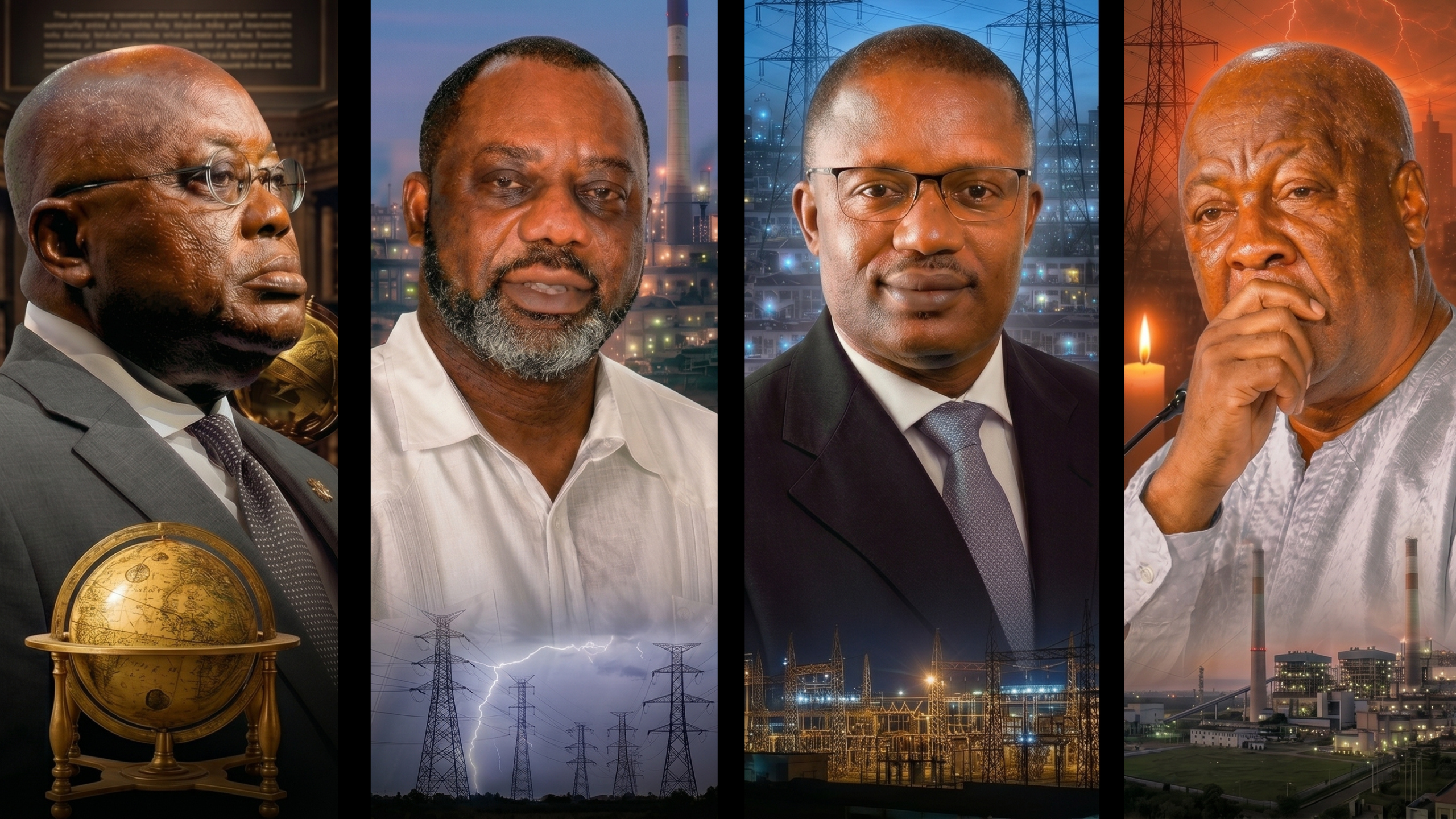
Ghana’s ongoing energy debate often sounds disconnected from its own history. Many of the most vocal voices speak as though the current challenges emerged in isolation, yet the country’s electricity problems are deeply rooted in unresolved decisions and incomplete reforms.
One of the most significant of these is the failed Power Distribution Services (PDS) concession. Introduced under the Millennium Challenge Compact as a solution to ECG’s inefficiencies, the deal was expected to modernize electricity distribution and reduce financial losses. Instead, it collapsed amid concerns over questionable guarantees and documentation, leaving behind reputational damage and lingering questions about accountability.
Despite its scale, the aftermath of the PDS episode has never been fully addressed. And that silence continues to shape public distrust in the sector.
When Power Became Political
The events of 2014–2015 remain central to understanding Ghana’s energy story. The prolonged outages during that period—widely known as “dumsor”—placed immense strain on households and businesses.
But beyond the hardship, it became a defining political issue.
The opposition at the time capitalized on public frustration, turning power outages into a symbol of leadership failure. This strategy proved effective, contributing significantly to the 2016 electoral outcome.
Electricity, it became clear, is not just infrastructure—it is deeply tied to public perception and political survival.
Managing Stability, Not Fixing the System
Following the transition of power, efforts were made to stabilize electricity supply. Improvements in generation, fuel availability, and operational management helped reduce widespread outages.
However, these gains masked deeper structural weaknesses.
Issues such as rising sector debt, persistent inefficiencies within ECG, and a lack of long-term reform continued beneath the surface. The system was stabilized, but not fundamentally strengthened.
The Lessons of the PDS Collapse
The PDS arrangement was intended to address these structural issues through private sector participation. Instead, it highlighted systemic challenges in governance and oversight.
Its eventual termination exposed gaps in due diligence and raised broader concerns about how major national reforms are executed. Yet, years later, the absence of full accountability continues to undermine confidence.
Changing Terms, Same Experience
In recent times, power interruptions have resurfaced, though not at the same scale as before. What has noticeably changed is how these outages are described.
Terms like “maintenance” or “technical faults” have replaced the politically charged “dumsor.” Still, for ordinary citizens, the experience remains unchanged—loss of power is felt the same way, regardless of terminology.
Public reactions, including the ironic phrase “dum-siesie,” reflect a growing skepticism toward official explanations.
A Fragile Present
Incidents such as the fire at the GRIDCo substation in Akosombo have renewed concerns about the reliability of Ghana’s power infrastructure. They serve as reminders that the system remains vulnerable.
At the same time, political dynamics have shifted once again, with past leadership returning to power under renewed expectations.
Yet both major political traditions now share responsibility for the current state of the sector.
Beyond Politics
The recurring challenge in Ghana’s energy sector lies in the tendency to politicize outages rather than address their root causes. Over time, this has created a cycle where blame replaces reform.
But electricity is not easily influenced by political narratives. When power fails, the impact is immediate and undeniable.
A Necessary Reflection
Ghana now faces a critical question: has the country spent too much time debating who caused past failures, instead of building resilience against future ones?
Until that question is answered through decisive structural reform, the risk remains that history will continue to repeat itself—one outage at a time.
Paraphrased from an original analysis by Kay Codjoe