
A powerful shift is taking place across Africa, one that is changing how the continent sees itself and how it is increasingly being seen by the rest of the world. For decades, Africa’s story has often been shaped through external narratives that focused heavily on conflict, poverty, instability, and crisis, leaving little room for the fuller picture of innovation, resilience, creativity, and progress that defines much of the continent today. But a new generation of African creators, digital storytellers, cultural advocates, and youth leaders is now challenging that long-standing pattern with a clear and urgent message: Africa’s voice is not missing. It is rising.
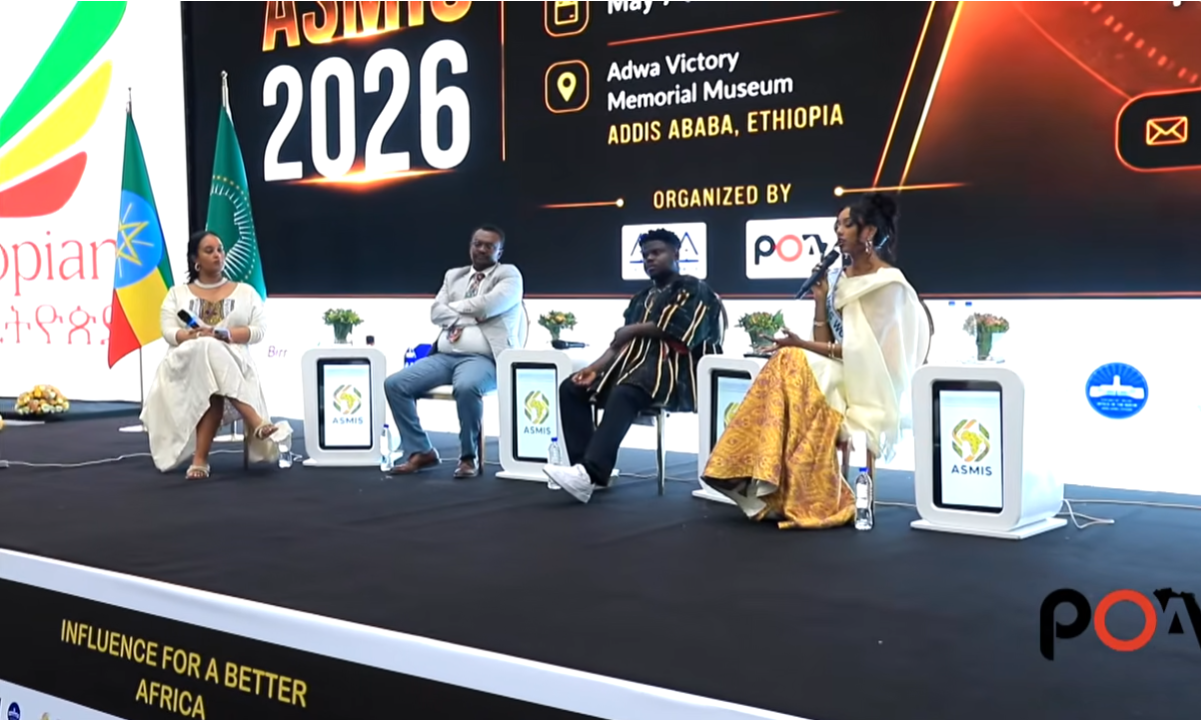
That message took center stage during a major continental conversation on branding Africa, where some of the continent’s leading voices in tourism, digital media, and youth advocacy gathered to discuss who tells Africa’s story and how that story should be told. At the heart of the discussion was a simple but deeply important idea — that Africa can no longer afford to wait for others to define its identity.
Among the strongest voices on the panel was Wode Maya, one of Africa’s most influential travel creators, who made a passionate case for Africans to take full ownership of their narrative. Speaking to an audience of creators and policymakers, he declared that Africans are the real ambassadors of the continent and should no longer depend on foreign media institutions to validate or explain their realities.
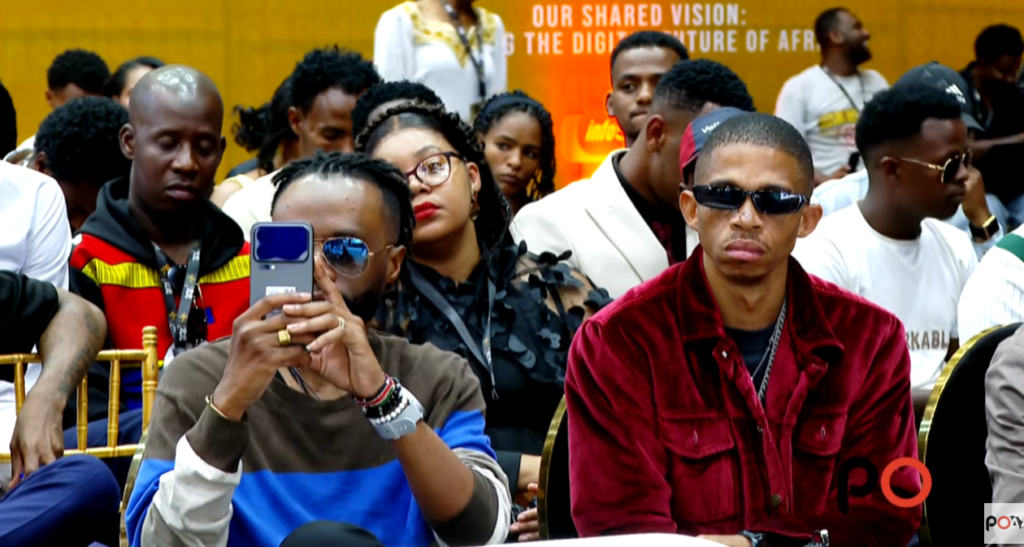
His words reflected a growing movement across Africa’s digital landscape, where creators are increasingly using platforms like YouTube, TikTok, and other forms of online storytelling to showcase a side of Africa that global audiences have rarely been given the opportunity to see.
Wode Maya’s own journey reflects this transformation. Trained as an aeronautical engineer, he explained how personal experiences with stereotypes about African intelligence and capability shaped his decision to pursue storytelling. Rather than simply responding to misconceptions with criticism, he chose to challenge them by documenting Africa’s beauty, growth, innovation, and cultural richness through authentic travel content.
His approach has become symbolic of a wider continental awakening.
Across countries such as Ghana, Nigeria, Ethiopia, Uganda, and Rwanda, creators are increasingly producing content that highlights local innovation, tourism potential, cultural identity, entrepreneurship, and untold stories of progress.
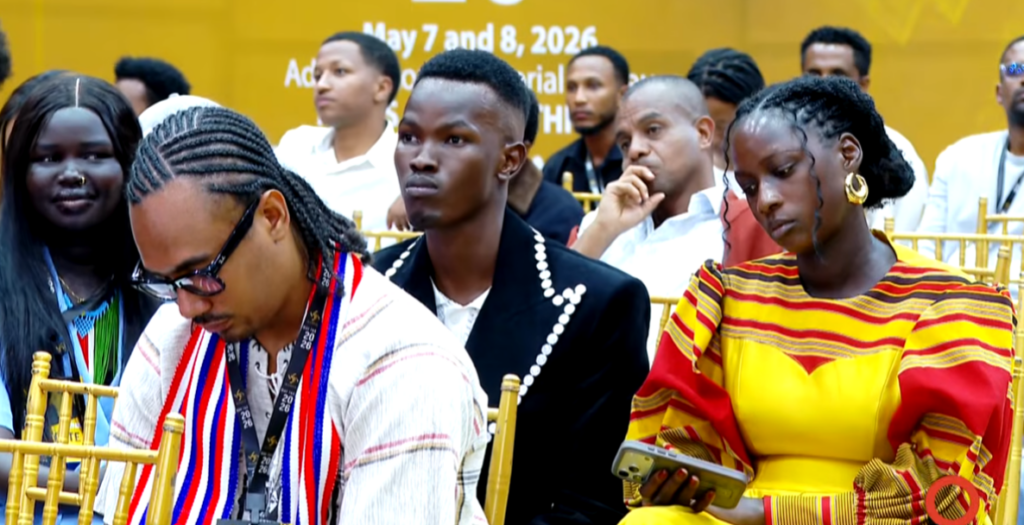
What makes this moment significant is that it is not being driven by traditional institutions alone.
It is being powered by young Africans with smartphones, cameras, editing software, and a growing determination to tell their own stories on their own terms.
This represents a major shift in how narratives are produced and consumed.
For decades, global perception of Africa was largely shaped by a small number of international media institutions. Today, digital platforms have created a more decentralized storytelling ecosystem where creators can reach millions directly, bypassing traditional gatekeepers.
The result is a growing body of content that presents Africa not as a continent waiting to be explained by outsiders, but as one capable of explaining itself.
The conversation also exposed a deeper issue that many panelists argued must be confronted if Africa is to successfully rebrand itself — internal perception.
One of the speakers noted that many Africans still struggle to fully embrace the value of their own cultures, traditions, and systems of knowledge. There remains a tendency in some spaces to treat foreign validation as more valuable than local excellence.
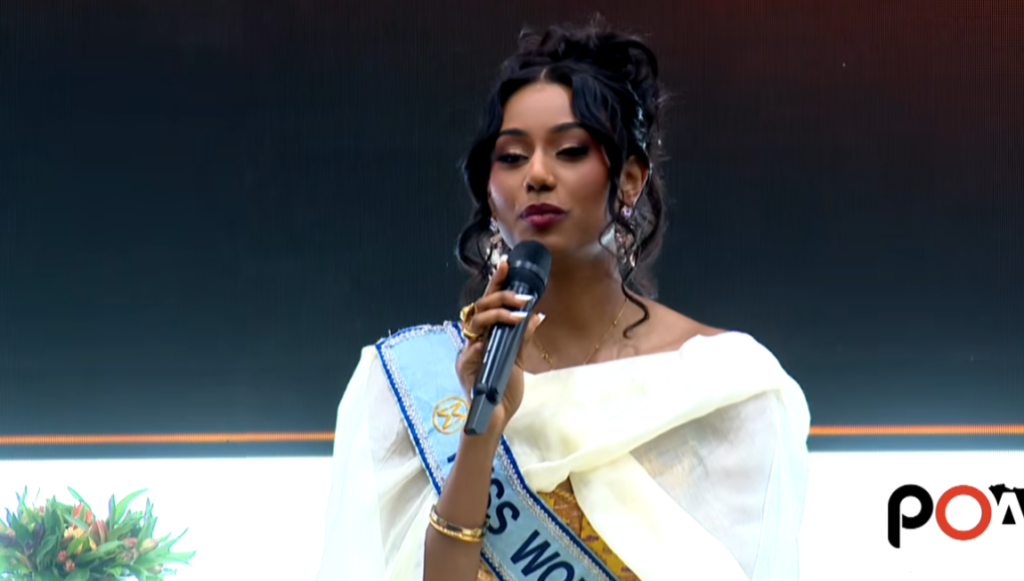
This was particularly emphasized in discussions around tourism, where panelists argued that the way people now choose destinations has fundamentally changed.
Rather than relying solely on billboards, brochures, or official campaigns, many potential travelers are now influenced by what they see on their screens through real people sharing real experiences. A single travel vlog, filmed in a raw and unfiltered style, can shape perceptions of a destination more powerfully than a fully produced marketing campaign. In this context, African countries were encouraged to rethink how they present themselves to the world.
The conversation highlighted that Africa is often still framed externally through narrow or outdated narratives. Yet, within the continent, there is a growing wave of creators who are actively reshaping that story from the inside. Creators like Wode Maya were repeatedly referenced as examples of how digital storytelling can reintroduce countries, communities, and cultures in a way that feels both human and relatable.
His approach, which focuses on traveling across Africa and documenting everyday life, entrepreneurship, and local culture, was presented as a blueprint for how storytelling can become a tool for continental rebranding. Not through exaggeration or idealization, but through presence—being there, showing up, and allowing audiences to experience places as they are.
The broader implication of this discussion was that tourism is no longer just an industry driven by infrastructure and promotion, but also by perception and trust. And trust, in the digital age, is increasingly built through individual voices rather than institutional messaging. This shift places African creators at the center of a much larger economic and cultural opportunity.
Ultimately, the panel returned to a unifying conclusion: if Africa is to change how it is seen globally, it must also pay attention to how it is being shown from within. And in that process, the everyday storyteller has become just as important as the official spokesperson, shaping not only narratives, but the future direction of the continent’s global identity.
Experts at the discussion noted that in today’s digital age, travel decisions are no longer shaped primarily by glossy brochures, television advertisements, or carefully scripted tourism campaigns. Increasingly, people around the world are choosing where to visit based on authentic digital storytelling. A compelling video from a trusted creator walking through the streets of a city, interacting with local people, showcasing food, culture, history, and everyday life often inspires travel decisions far more effectively than conventional promotional campaigns ever could. For African nations seeking to grow tourism, attract investment, and reshape international perception, this presents a major opportunity. It means the power to influence how the continent is seen is no longer limited to large institutions or expensive media campaigns. It is increasingly in the hands of creators who can tell Africa’s stories in real, human, and relatable ways.
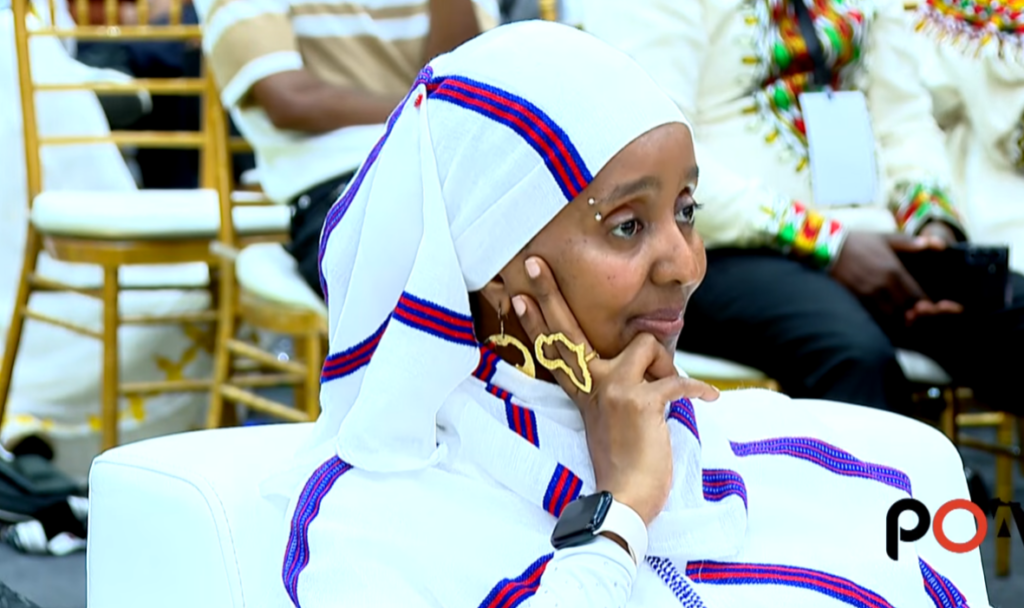
Yet beyond the conversation about tourism and digital influence, perhaps the most powerful message that emerged was the emphasis on unity. Speaker after speaker stressed that Africa’s rebranding cannot happen in isolated national silos, where each country attempts to market itself independently while remaining disconnected from the broader continental vision. True transformation, they argued, requires a much larger mindset — one rooted in continental cooperation, cross-border collaboration, and a shared commitment to changing Africa’s global narrative together. It demands a rejection of xenophobia, division, and the subtle barriers that often cause Africans to view one another as strangers rather than as partners in a shared future.
Several panelists described the vision of a borderless Africa as one of the continent’s most transformative possibilities. But they were careful to explain that this idea goes beyond simply easing physical movement between countries. It is also about building a shared sense of purpose, trust, and cooperation. It is about creating an Africa where ideas, opportunities, creativity, and support can move as freely as people aspire to. According to the speakers, this process begins with changing how Africans see one another. It begins with breaking the mental barriers that have been built through years of division, inherited stereotypes, and national competition. It begins with embracing a pan-African mindset that recognizes the continent’s strength not in its differences alone, but in its collective identity.
The message that emerged from the event was impossible to ignore. Africa does not lack stories worth telling. It does not lack beauty, innovation, creativity, talent, or potential. The continent is filled with extraordinary realities that deserve global attention. What it has often lacked is enough coordinated and intentional storytelling from within. For too long, Africa’s image has been shaped by fragmented voices and external interpretations that rarely capture its full complexity. But that is beginning to change.
A new generation is rising — one that understands the power of narrative. This generation sees storytelling as far more than entertainment or social media engagement. It sees it as influence. As identity. As economic strategy. As cultural preservation. As a tool for continental transformation. From creators documenting overlooked communities and hidden destinations to youth leaders advocating for stronger African identity and cooperation, the signs of this shift are becoming impossible to ignore.
Africa’s voice, long underestimated or overshadowed, is growing louder. And as more Africans step forward to tell their own stories, shape their own image, and define their own future, one thing is becoming increasingly clear: Africa’s voice is not missing. It is rising.