
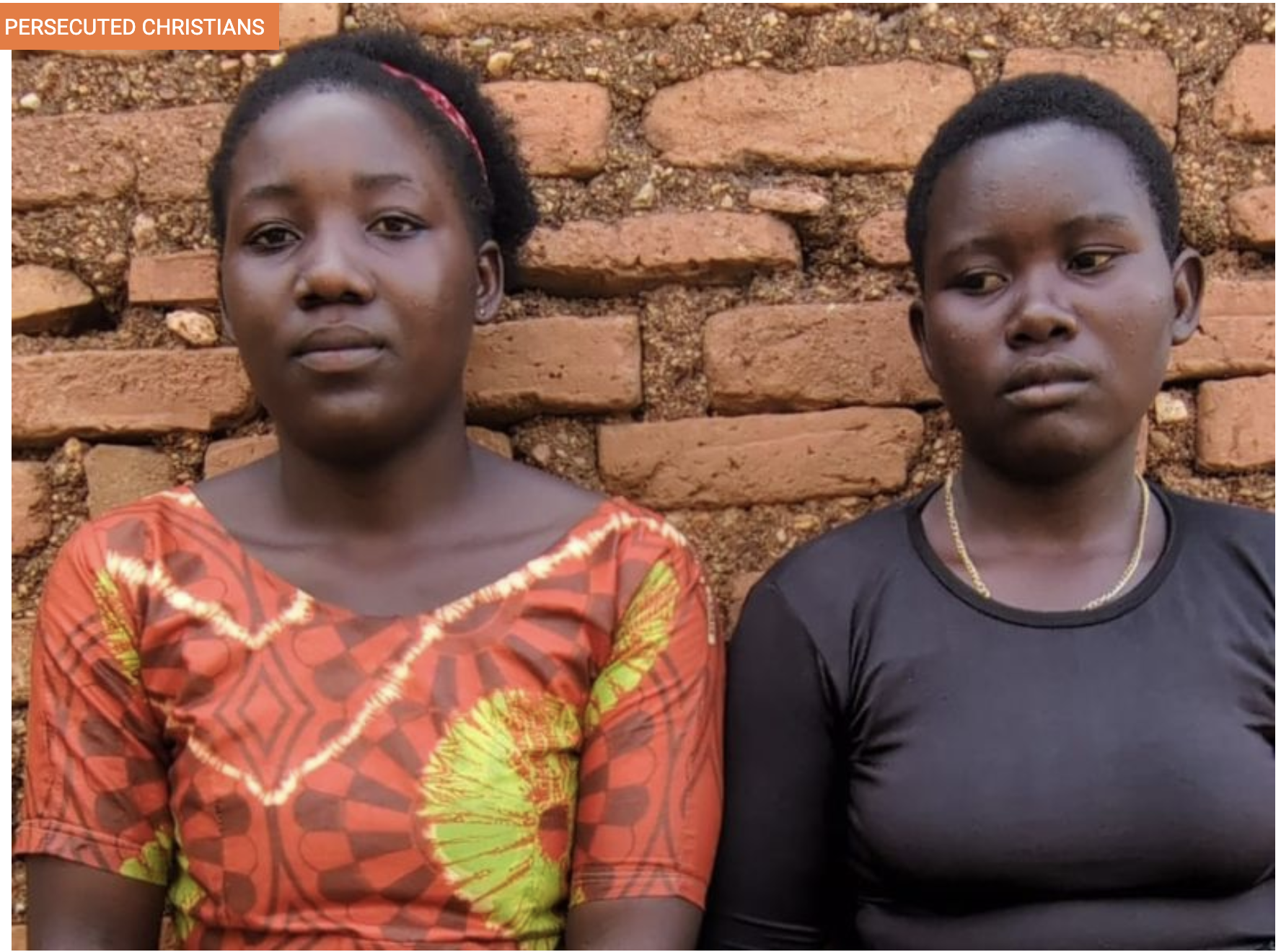
ZENIT reports that their father allegedly set fire to their home following their conversion, raising urgent questions about religious freedom and family violence.
KIBENGE, UGANDA — September 21, 2026
Two sisters in Uganda reportedly escaped a burning home after converting from Islam to Christianity, according to a report published by ZENIT on September 21.
The report alleges that their father, identified as Muhamud, set fire to the family home in Kibenge, Kasese District, around midnight on September 6 while his daughters, Amina and Shamila, were sleeping. The alleged attack followed their conversion to Christianity on August 26.
The sisters woke to flames consuming their home and escaped through an opening they made by removing bricks from a wall.
“We saw flames of fire consuming our house quietly. We now started looking for Plan B to escape death,” Amina said, according to ZENIT.
Shamila added: “We removed the bricks and escaped through the hole. Thank God that he gave us a way to get out alive.”
The fire reportedly destroyed their mattresses, clothes and other belongings. Christian neighbours came to their aid and alerted local leaders.
Despite losing their shelter, Amina said the fire had not destroyed the sisters’ faith and hope in Jesus Christ.
Calls for justice
ZENIT reports that local Christian leaders condemned the alleged arson and called for the father to face justice. A local chief, whose identity was not disclosed, also condemned the incident.
If established, the allegations would represent a grave case of violence linked to religious conversion. The incident raises a fundamental question: can a person’s choice of faith ever justify putting their life at risk?
Families may disagree deeply over religious beliefs, particularly where faith is closely tied to tradition and identity. But disagreement does not justify violence. Freedom of conscience includes the right to adopt, change or reject religious beliefs without threats or intimidation.
The case should not be used to stigmatise an entire religious community. The allegations concern an individual and must be assessed on the evidence, with any legal proceedings respecting due process.
For Amina and Shamila, the immediate priority was survival. Their reported experience underscores the need to protect people from violence when their personal beliefs conflict with those of their families.
Source: ZENIT, September 21, 2026. The allegations have not been independently verified for this article.