
The Catholic Church has always embraced the communication tools of every generation to proclaim the Gospel. From handwritten letters in the early Church to the printing press, radio, television, and now digital media, the mission has remained unchanged: to bring Christ to the world. Today, that mission increasingly unfolds online.
As millions of people spend hours each day on social media, YouTube, podcasts, and digital platforms, the internet has become one of the largest mission fields in history. For Catholics, this presents not merely an opportunity but a pastoral responsibility. If people are searching for answers online, then the Church must also be present there to offer truth, hope, and the message of Christ.
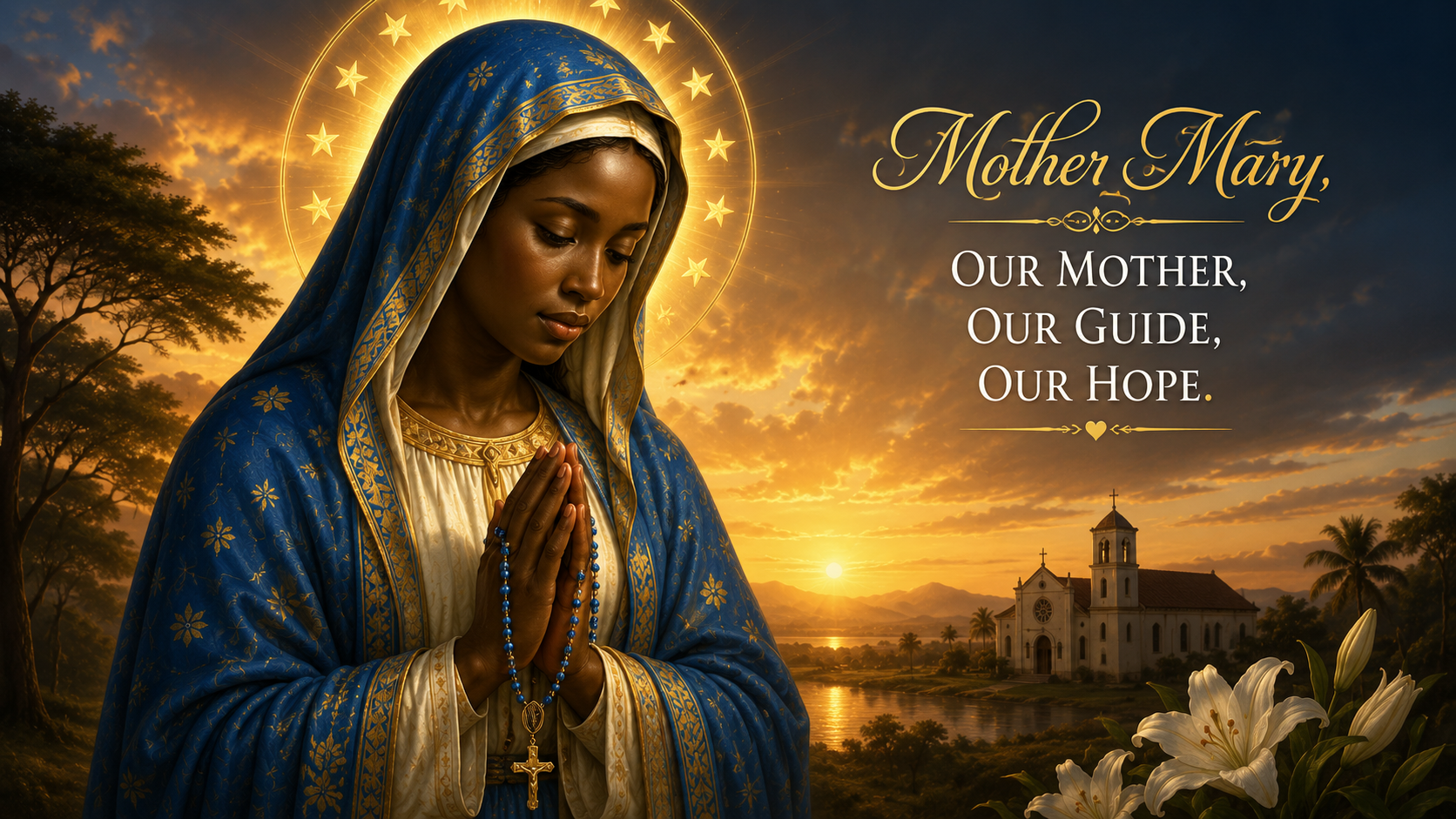
Marian content has become one of the most effective forms of digital evangelization. Videos centered on the Blessed Virgin Mary—including Rosary reflections, feast day meditations, Marian apparitions, testimonies of conversion, and devotional messages—often reach audiences that traditional parish ministry may never encounter.
Many people who are hesitant to enter a church building will quietly watch a Rosary reel while commuting to work, listen to a testimony during a difficult season of life, or discover the meaning of a Marian feast through a short video shared by a friend. These seemingly small moments can become the beginning of a profound spiritual journey.
Digital evangelization also allows the Church to accompany people beyond Sunday worship. A parish may gather hundreds of faithful for Mass each weekend, but its online presence can reach thousands across different cities, countries, and even continents. Through livestreamed Masses, catechetical videos, Scripture reflections, and Marian devotionals, the Church remains present in the daily lives of believers throughout the week.
Marian devotion is particularly well suited to this digital mission because it speaks to universal human experiences—hope, suffering, motherhood, prayer, healing, and trust in God. During major Marian feast days, content explaining the history, significance, and spiritual lessons of these celebrations can educate Catholics while inviting non-Catholics to better understand the Church’s rich traditions.
Short-form videos have also transformed how faith is shared. A one-minute Rosary reflection, a testimony of answered prayer, or a simple explanation of Mary’s role in salvation history can reach hundreds of thousands of viewers through social media algorithms. Unlike traditional broadcasting, these platforms allow messages of faith to find people precisely when they are searching for encouragement, meaning, or spiritual guidance.
Importantly, digital ministry should never replace the sacraments or participation in parish life. Instead, it serves as a bridge. Online content can inspire someone to pray again, return to Confession, attend Mass, join a parish community, or deepen an existing relationship with Christ. The internet can open the door, but the Church community welcomes people home.
The responsibility for this mission does not rest solely with priests and religious. Lay Catholics increasingly play a vital role in digital evangelization by creating faithful, authentic, and engaging content that reflects the teachings of the Church. Whether through educational videos, podcasts, blogs, social media posts, or personal testimonies, every Catholic has the potential to become a digital missionary.
As technology continues to shape how people communicate and seek information, the Church’s presence online becomes ever more essential. The Gospel must be proclaimed wherever people gather—including the digital spaces where millions now spend much of their lives.
In an age where countless voices compete for attention, faithful Catholic content offers something increasingly rare: truth rooted in Christ, hope grounded in the Gospel, and the gentle maternal guidance of the Blessed Virgin Mary. Through Marian feast days, Rosary reels, testimonies, and authentic digital witness, Catholics can reach hearts that physical ministry alone may never touch, ensuring that the message of God’s love extends far beyond the walls of the Church.